
About
Training from the trading desk, not from the brochure.
Fugu Forex is the training arm of the Fugu family of trading products — the same team behind FuguTrader and FuguScalper.
The courses are taught by the developer of the FuguScalper suite of strategies, along with TwistSTM3, FuguSTMGold and a number of other high-ranking published systems. That matters for one reason: every rule taught in the classroom has already had to survive thousands of backtested and forward-tested trades before it was ever allowed near a live account.
This is the practical difference that defines Fugu Forex. Most forex educators have never had to survive a live drawdown, pay real spreads, or explain a losing month to real capital. They teach theory from slides. We teach from a track record that has been verified on public leaderboards, copied by live subscribers and stressed through multiple market regimes.
The evidence
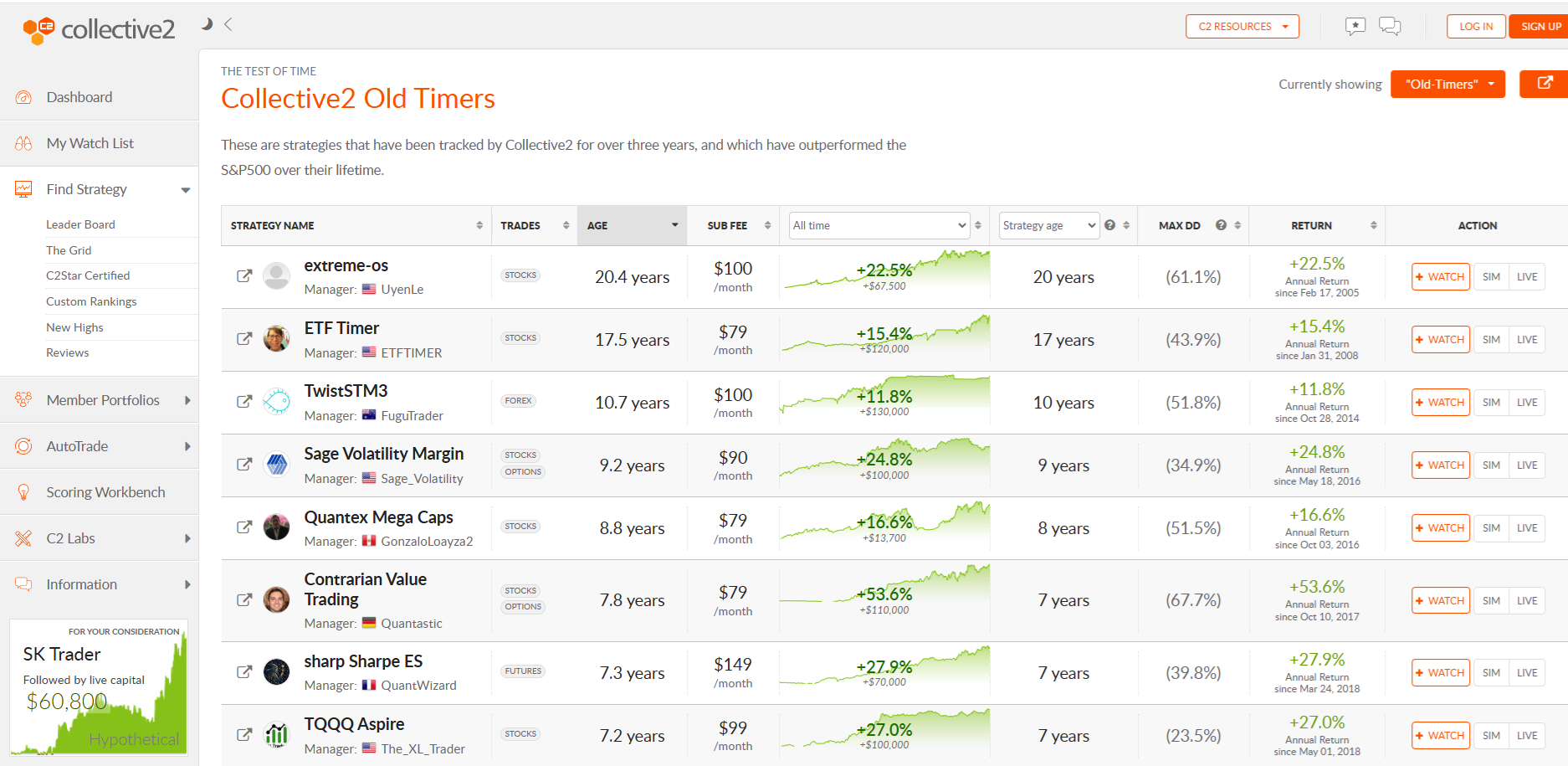
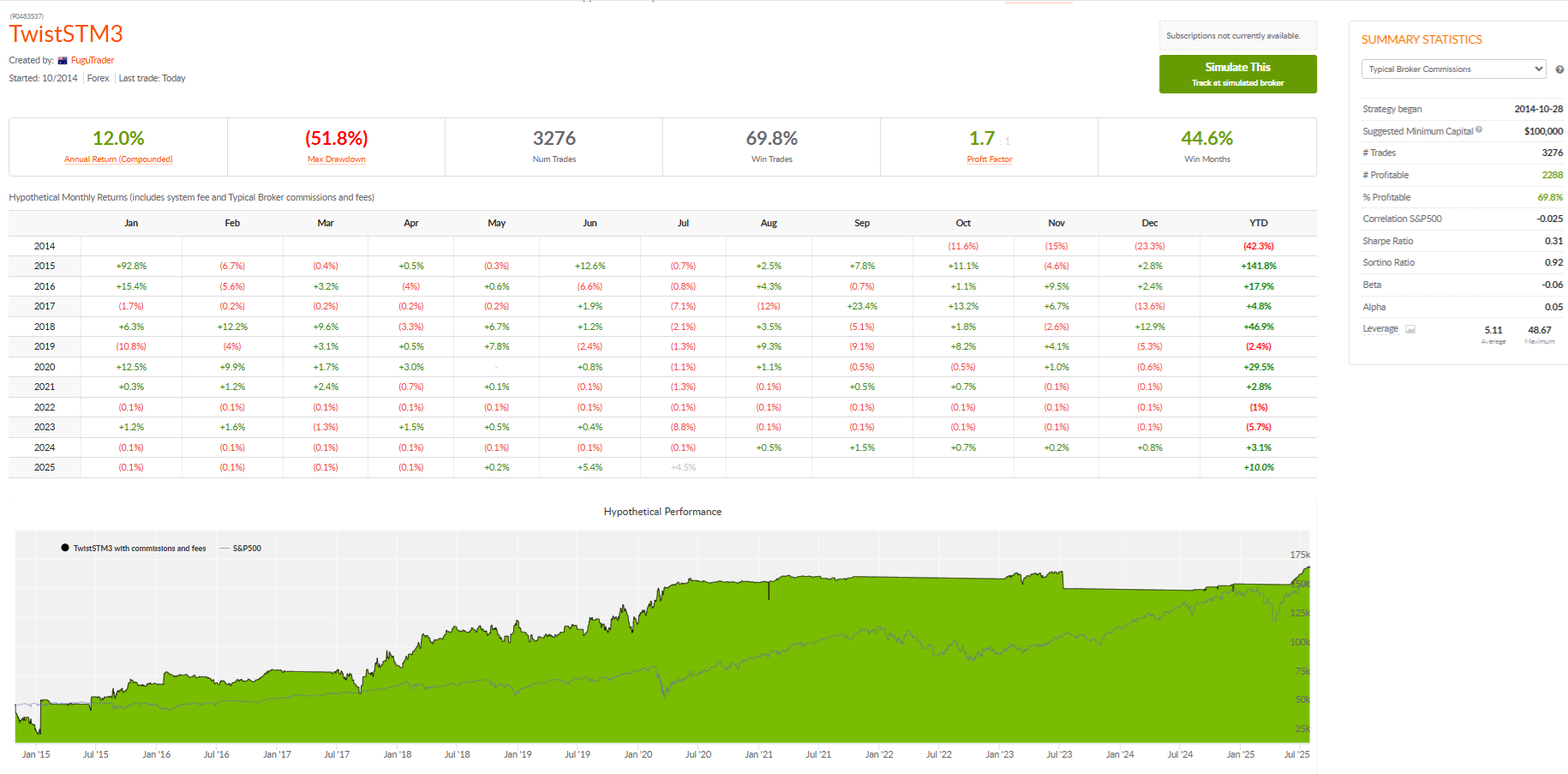
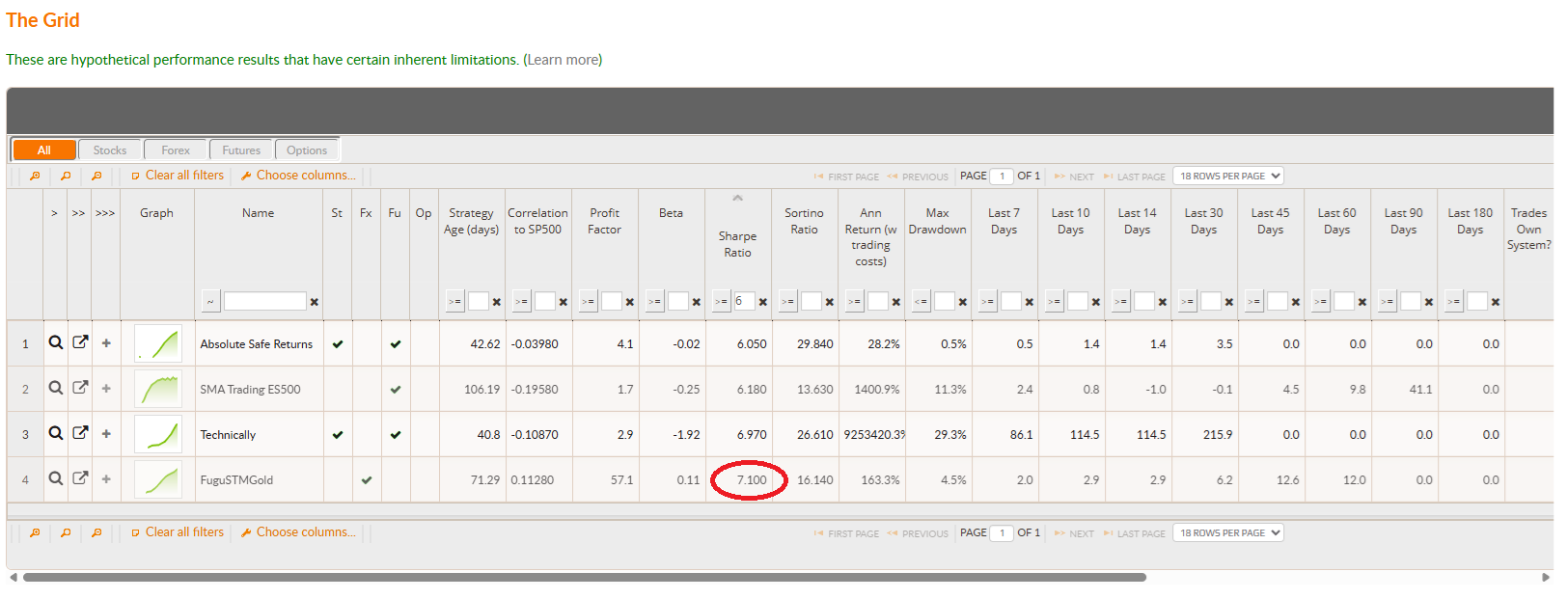
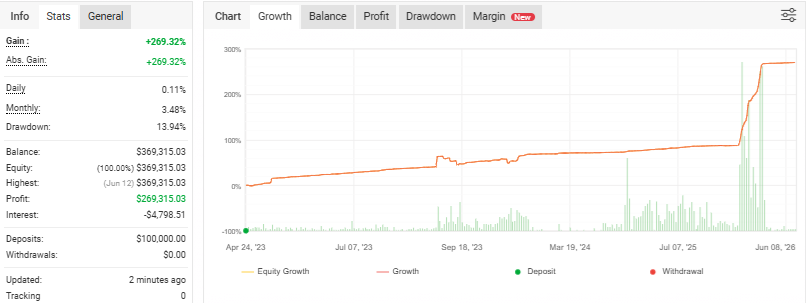
The strategies referenced in the course are not marketing claims. They are published, tracked systems with years of live and hypothetical performance history. You can inspect the records, the leaderboards and the development history on the FuguScalper about page.
Why "Fugu"?
Fugu — pufferfish — is one of the great delicacies of Japanese cuisine and one of the few dishes that can kill the person eating it. The tetrodotoxin in the wrong organ has no antidote. So the country did the sensible thing: chefs serve a formal apprenticeship under a master, sit an examination, and only then receive a licence to prepare it.
Leveraged currency trading has the identical risk profile and none of the safeguards. The tools are extraordinary in trained hands and lethal in untrained ones, and nothing stands between a beginner and a 500:1 position but a checkbox. Most retail accounts die not from a bad idea but from an untrained hand holding a very sharp knife.
Our whole approach is to reproduce the apprenticeship: correct sequence, correct technique, master supervision, and a healthy respect for what happens when you get it wrong.
How we teach
- Small cohorts, so every chart question gets answered properly.
- Everything demonstrated live on real charts — no static slide screenshots.
- Risk taught before entries, always, and revisited in every module.
- Systems opened up: you see how a ranked strategy was actually built and validated.
- Nothing taught that we would not run on our own capital.
- Broker mechanics explained: how execution, B-booking and A-booking affect your fills.
- Insider perspective from 20 years inside the trading and software industry.
Verified performance
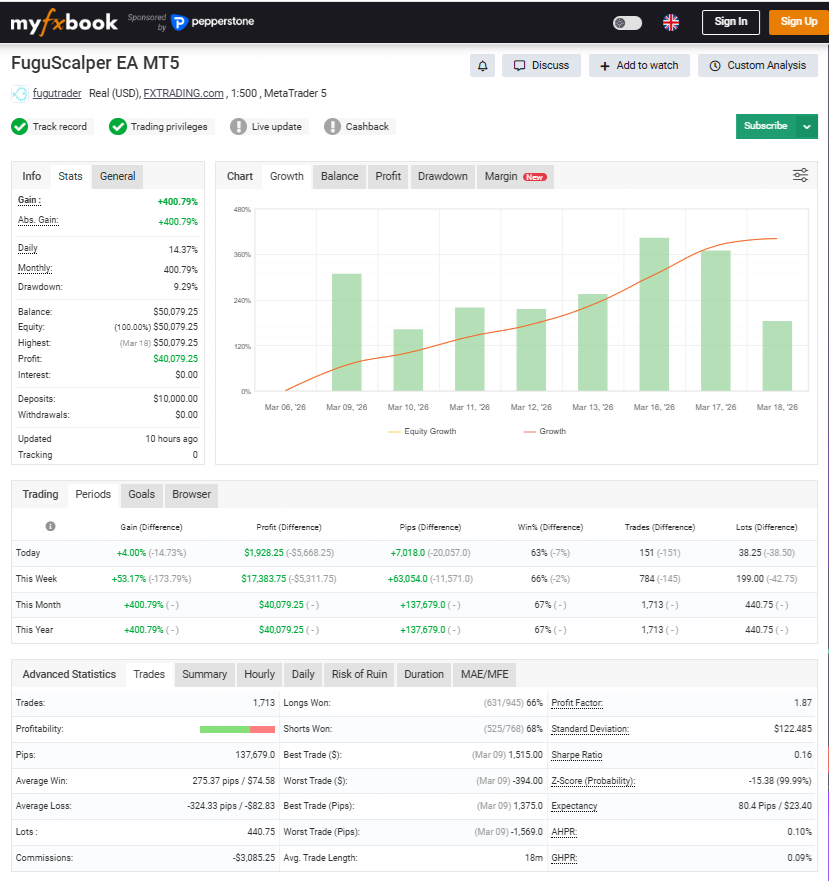
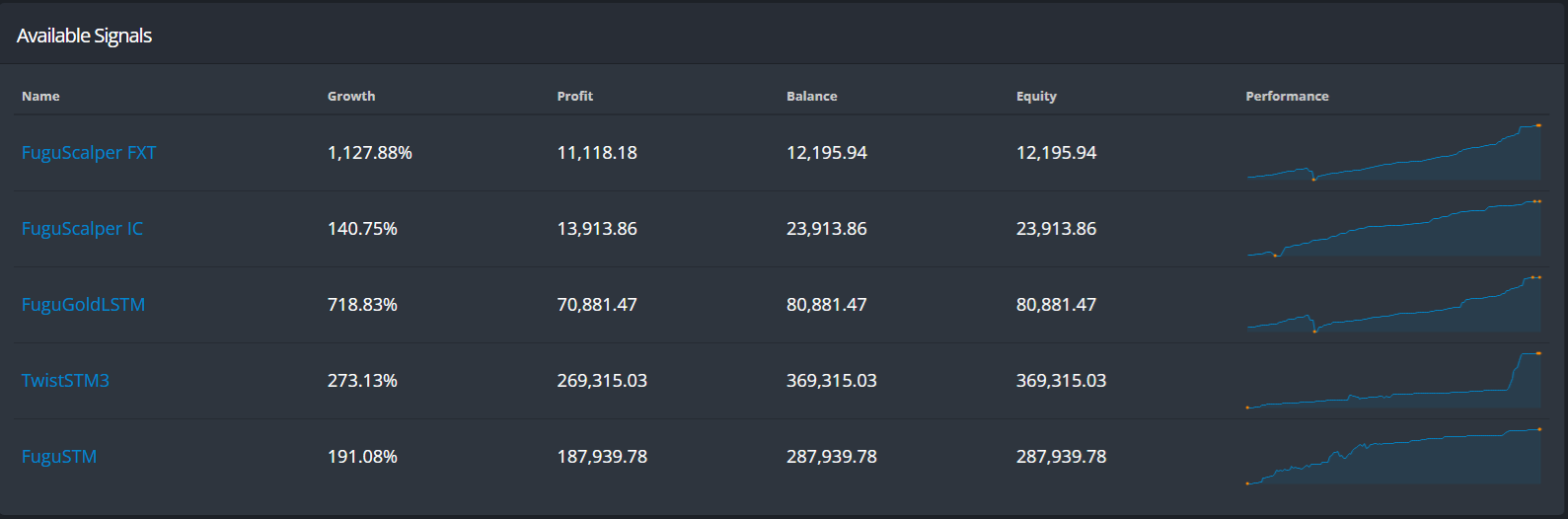
Artifacts of real-world success
A selection of public records, leaderboards and strategy screenshots from the FuguScalper family. These are the same systems and principles referenced throughout the masterclass.
Broker insider knowledge
How to choose a broker — and how to avoid being chosen by one.
After 20 years building and operating trading systems, the instructor has dealt with almost every broker model in the retail and institutional space: A-book, B-book, hybrid desks, price makers, ECNs, rebates, mark-ups, swap schedules and execution policies that are rarely disclosed in plain English.
That experience is woven into the course. You will learn why two brokers can quote the same pair yet give you completely different outcomes, which costs are hidden in the spread and which are buried in the swap, and how a broker's business model can silently work against your strategy even when the price chart looks identical.
The goal is simple: know the game well enough to exploit the edges that are available to you, and to avoid the traps that exploit you.
What you will understand about brokers
- A-book vs B-book vs hybrid execution: where your order really goes.
- How spreads, commissions, slippage and swaps combine into the true cost of a trade.
- Why 'zero spread' marketing can be the most expensive option in disguise.
- Red flags in a broker's terms, price feed and withdrawal process.
- How to match your strategy style to the right execution model.
- What the broker sees on their side of your trades — and how that matters.